a complex investigation

What does CULTURE mean?

To me, culture is a living stage: art as the set, music as the soundtrack, sports as the ritual, celebrity as the spotlight, and theatre as the mirror. It’s what we make—and what makes us.

Personal
What I absorb without noticing.
Formal
Shared meanings, practices, symbols.
Deep
Belonging + influence + power.

Meaning: personal, formal, deep

Culture can be both personal and shared. I’ve experienced it in everyday life, studied it in theory, and seen how it shapes who gets noticed and remembered.

Personal meaning

Culture, for me, shows up mostly through sports, music, and the arts. It’s the teams people grow up supporting, the songs everyone knows by heart, and the artists or athletes who become cultural icons. These things shape how we connect, what we admire, and how we see ourselves as part of a bigger community.

In other words: culture is what I learn daily.

Formal meaning

Formally, culture is often described as the shared meanings, practices, symbols, and values created by a group and passed on over time. It includes “high” culture (museums, classical theatre) and “popular” culture (sports, internet trends, celebrities).

Culture is both expression and inheritance.

Deep meaning

Deeply, culture is also a system of influence. It decides what stories get repeated, whose accents are mocked, whose bodies are idealized, what counts as “taste,” and who gets a platform. Culture can connect us—but it can also exclude, stereotype, or sell identity back to us.

Culture is a mirror—but also a spotlight.
Four lenses: how culture shows up

Starting from what culture means to me—art, music, sports, celebrities—each lens adds a different layer: symbol, emotion, ritual, attention, and reflection.

Art

symbols • style • memory

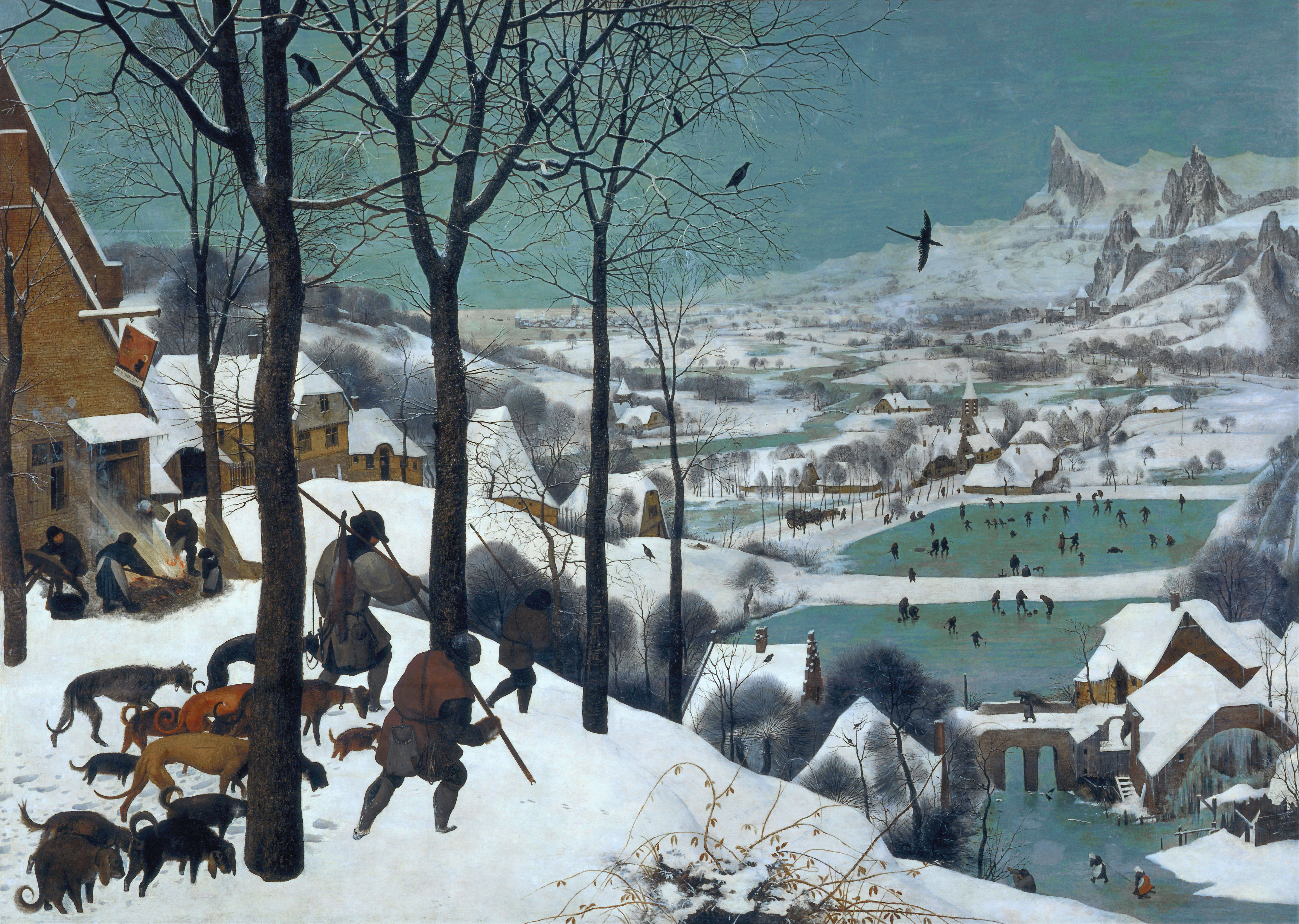
Art makes culture visible. It stores values inside images—what a society finds beautiful, strange, sacred, or rebellious. Street art can claim space. Museums can preserve (or gatekeep) heritage. Even design trends tell a story about the moment.

Hunters in the Snow by Pieter Bruegel the Elder
Pieter Bruegel the Elder, Hunters in the Snow (1565).

Music

emotion • rhythm • identity

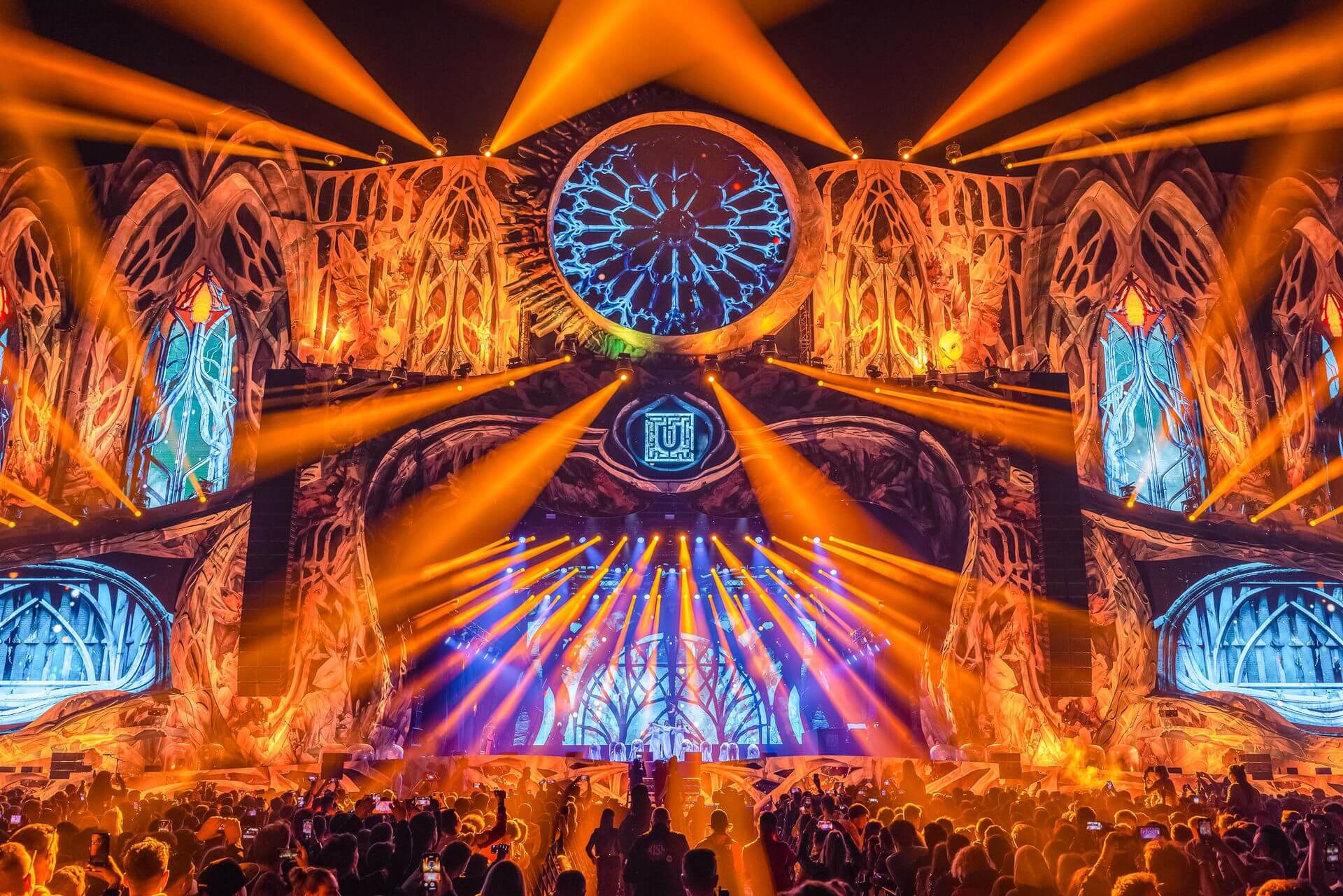
Music carries identity in sound—language, region, class, rebellion, nostalgia. A genre can be a community. A single chorus can turn strangers into a choir. Music spreads fast because it travels through feeling.

Untold festival
Untold Festival, Cluj-Napoca — music as a shared cultural experience.

Sports

ritual • belonging • rules

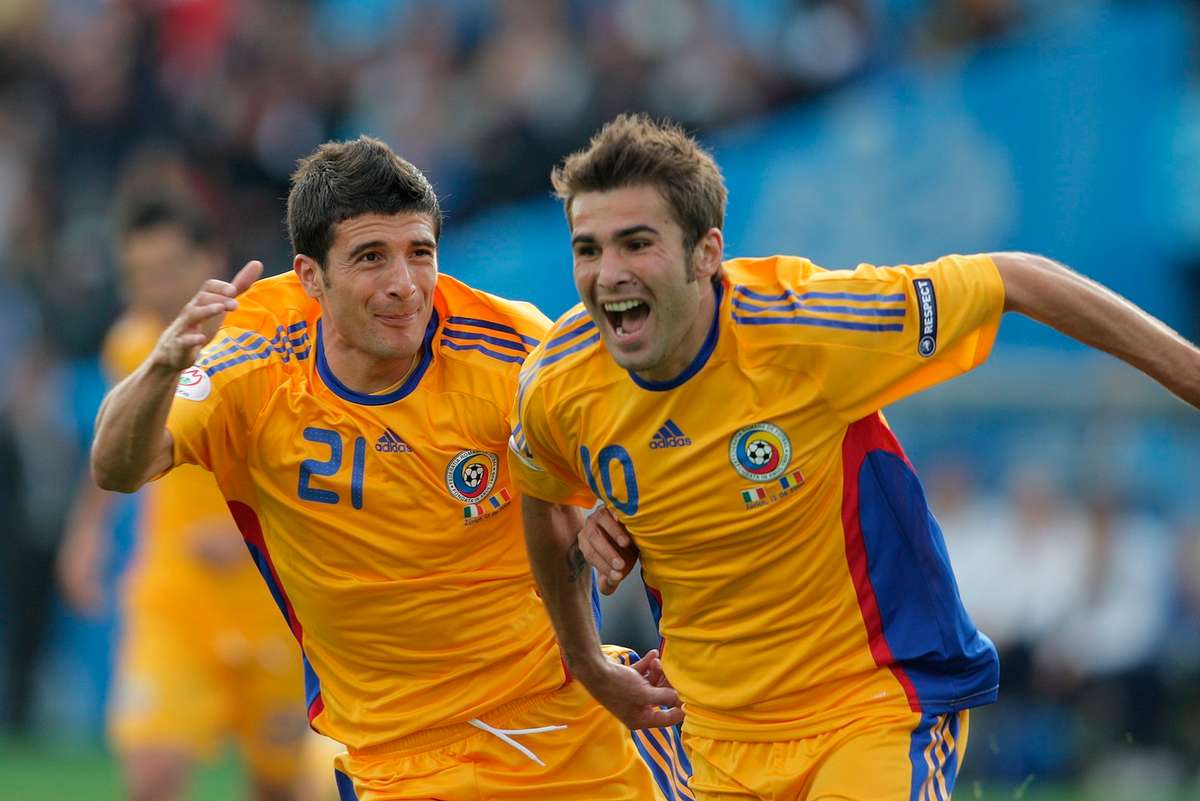
Sports are culture with rules. Fans learn chants, gestures, and colors like a language. Victories become local mythology; losses become shared resilience. Stadiums and courts turn identity into a public ritual.

EURO 2008
Celebration by the Romanian national football team.

Celebrities

attention • trends • storytelling

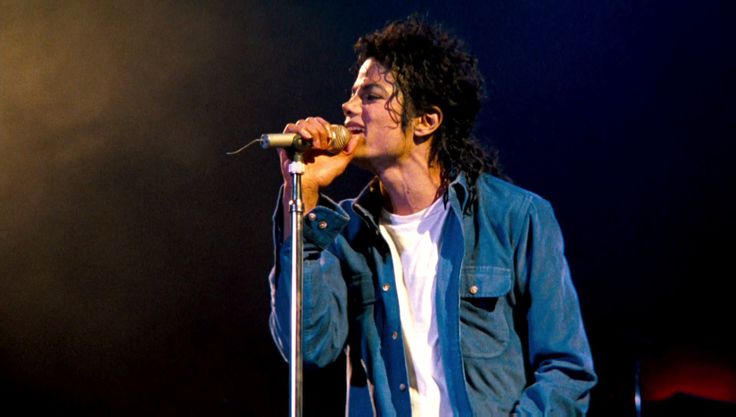
Celebrity culture is a currency of attention. It creates “main characters” whose outfits, scandals, and opinions ripple through language and behavior. But it also shows power: who is amplified, who is forgiven, and who is replaced.

Michael Jackson, cca. 1988
Michael Jackson, a global pop icon of the late 20th century.
More about him

Michael Jackson shows how music can connect people through emotion and rhythm. His work became part of global popular culture, reaching across generations and borders.

Contexts: probable, improbable, impossible

To understand culture, I pushed it into different worlds. If the meaning still holds there, it’s probably essential.

Culture in everyday life

Culture is also what we do automatically: how we greet, how we eat, what we consider polite, what we celebrate, what we mourn, and what we joke about. It’s the “default settings” of social life.

  • food rituals & holidays
  • slang, memes, and inside jokes
  • fashion codes and “taste”
  • values taught indirectly

Culture on Mars (improbable)

Imagine a new colony on Mars. They’d still form culture: shared stories about survival, new traditions, new art from limited materials, new sports adapted to lower gravity, and new “celebrity” (the first people to do things). Culture would become a tool for cohesion.

Even without Earth’s history, humans would still make symbols and rituals.

Culture without screens (impossible-ish)

If screens vanished overnight, culture wouldn’t disappear—it would slow down and localize. Trends would travel through physical spaces again: posters, live music, spoken stories, community gatherings. The “algorithm” would become the neighborhood.

Derivative forms (word family)

Seeing the word’s relatives helps reveal its shape:

  • cultural — connected to a group’s meanings and practices
  • subculture — a distinct “micro-world” within a larger world
  • counterculture — formed in opposition to dominant norms
  • cultivate — to grow, nurture, develop (a root idea behind “culture”)
  • pop culture — mass-shared entertainment and trends

A small map of culture

I've compressed my research into a simple model: culture is built from symbols, practices, values, and stories—circulating through people and media.

CULTURE

shared meaning in motion

Symbols

images, flags, icons, styles

Practices

rituals, routines, rules

Values

what’s “right,” “cool,” “normal”

Stories

myths, news, celebrity narratives